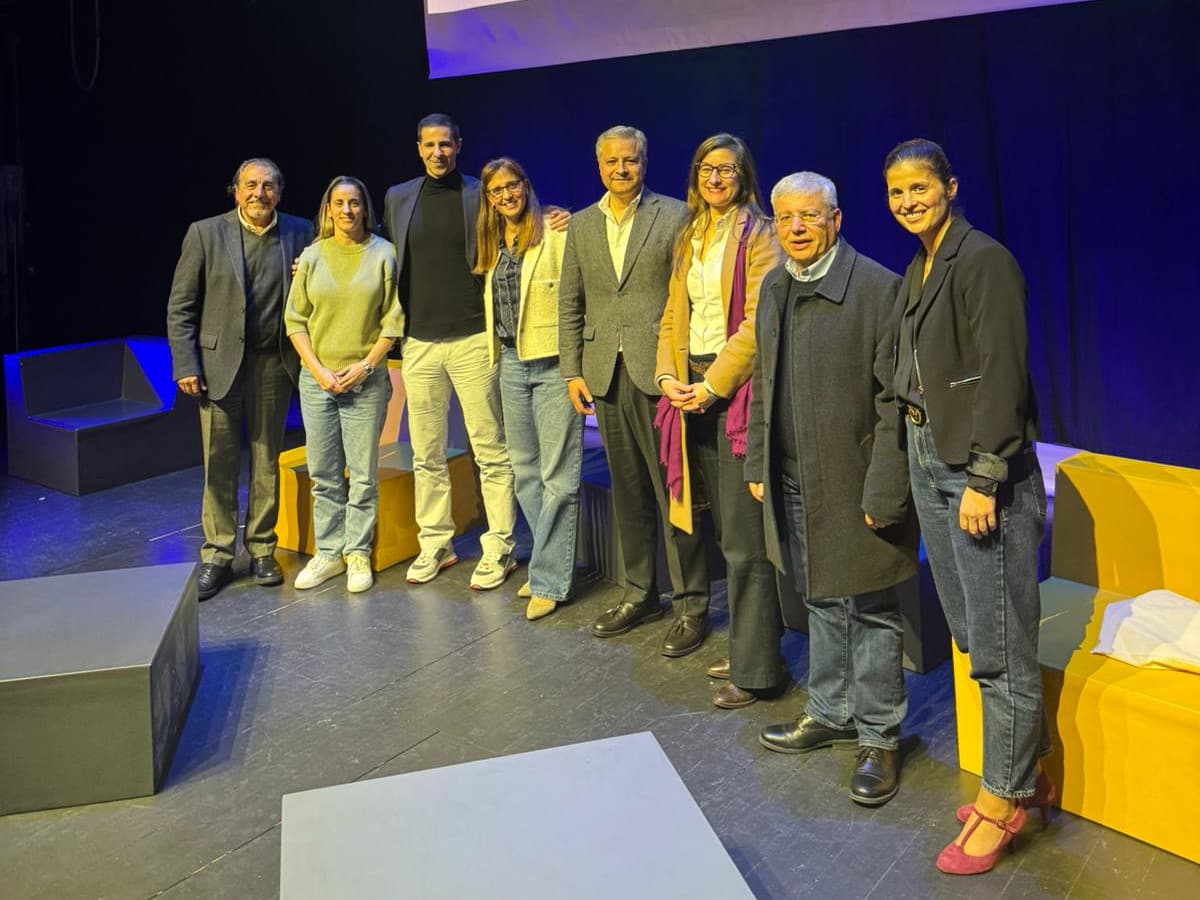
On February 26, 2026, the Teatro Cinema de Fafe hosted the seminar “Score 4 Inclusion: Connect Sport and Social Inclusion”, an initiative developed within the European SCORE 4 INCLUSION project, dedicated to sharing, debate, and reflection on the role of sport in promoting social inclusion. The event was organised by professors Joana Costa, Dimas Pinto, and Aldina Silva, in partnership with Câmara Municipal de Fafe, Grupo Municipal de Saúde Mental, and Riasport. The main objective of the activity was to present and discuss the results achieved throughout the project, encouraging reflection on the proposals developed by the participating athletes to combat discrimination, racism, intolerance, and violence in sport. The seminar also aimed to bring together athletes, sports leaders, decision-makers, institutional partners, and other stakeholders, creating opportunities for dialogue and for valuing the ideas presented by young participants. During the event, the “Letter of Proposal” was presented, a document gathering the main recommendations and proposals developed by the athletes throughout the different phases of the project, with the goal of encouraging their integration into public policies and programmes related to sport and social inclusion. The seminar combined presentation moments with participatory dynamics, using interactive digital tools that helped increase audience engagement and participation. One of the central moments of the initiative was the round table dedicated to sport as a tool for social inclusion, promoting the exchange of ideas between different perspectives from the sports and academic sectors. The panel included Vítor Dias, José Carlos Jáenes Sánchez, Jéssica Augusto, Dimas Pinto, Joana Machado Carvalho, and Luís Rodrigues. The seminar was accredited by the Instituto Português do Desporto e Juventude for professional titles of coaches, technical directors, and exercise professionals. It was also recognised as a short training course for Physical Education teachers, reinforcing its educational and professional value. Participation in the event was free of charge and attracted 235 registered participants, demonstrating the growing interest and relevance of social inclusion and anti-discrimination initiatives through sport.